Jamaican Food Recipes That Celebrate Island Tradition
Jamaican food carries memory in a very direct way. You taste it before anyone explains it. The smoke from pimento wood, the warmth of allspice and Scotch bonnet, the sweetness that sneaks into savory dishes, the patient cooking that turns tough cuts tender, all of it speaks to a cuisine shaped by Indigenous knowledge, African technique, European influence, Indian spice traditions, and the practical intelligence of island home cooks. It is food with backbone.
The recipes people associate most closely with Jamaica are often the loudest ones: jerk chicken fresh off a drum pan, glossy oxtail, festival beside fried fish. Those dishes deserve their reputation. Still, what makes Jamaican food special is not only intensity. It is balance. A proper plate often moves between heat and sweetness, salt and acid, soft and crisp. Rice and peas cool the tongue after spicy meat. Pickled vegetables sharpen fried food. Coconut milk rounds out a pot that might otherwise feel too severe.
Cooking this food well requires a little restraint. Many cooks outside the island overcomplicate Jamaican dishes, piling on every spice in the cabinet or turning up the heat until nothing else survives. The better approach is more disciplined. Build layers, season deeply, and let a few signature flavors lead. Thyme should taste like thyme. Scallion should remain bright. Allspice should warm rather than dominate. Scotch bonnet should announce itself clearly, but not bully the pot unless that is exactly what you want.
What follows is a collection of classic Jamaican recipes and cooking approaches that honor that tradition. They are written for a home kitchen, with practical adaptations where necessary, but the spirit stays close to the table they come from.
The flavor grammar of Jamaican cooking
Before getting to the recipes, it helps to understand the recurring base that ties much of Jamaican food together. In many savory dishes, the foundation https://myleshgnt642.scriblorax.com/posts/exploring-regional-variety-in-jamaican-food starts with green onion, thyme, garlic, onion, black pepper, allspice, and some level of chile heat, often from Scotch bonnet. Browning, whether from homemade caramelized sugar or bottled browning sauce, gives stews and braises their dark color and slightly bittersweet depth. Fresh ginger appears less universally than people assume, but when it is used, it matters. Coconut milk enters where softness and body are needed. Lime, vinegar, or both often tidy up the richness.
Texture matters almost as much as flavor. Rice should be distinct, not gummy. Fried plantain should caramelize at the edges while staying custardy inside. A patty crust should shatter lightly, not eat like pie dough. Even soups and stews, which can seem rustic at first glance, are judged by feel as much as taste.
One more point from experience: timing is half the craft. Jamaican food often asks for marination, soaking, simmering, resting. If you rush, the dish may still be edible, but it will not land with the authority it should.
Jerk chicken that tastes of smoke, spice, and patience
Jerk is one of the defining expressions of Jamaican cooking, and it is also one of the most misunderstood. In many restaurants abroad, “jerk” means little more than spicy barbecue seasoning. Real jerk is more specific. It is a method and a flavor profile, rooted in preservation and open-fire cooking. Traditionally, meat is seasoned heavily and smoked over pimento wood. That smoke matters. So does the aromatic heat of allspice berries, the herbal lift of thyme, and the distinct fruitiness of Scotch bonnet.
For a home version, bone-in chicken thighs and drumsticks give the best margin for error. They stay juicy, absorb marinade well, and char beautifully. A balanced jerk marinade can be made with scallions, fresh thyme, garlic, onion, Scotch bonnet, ground allspice, black pepper, cinnamon, nutmeg, soy sauce, a little brown sugar, lime juice, oil, and salt. Some cooks add ginger. Some add a touch of vinegar. Both can work. The key is to blend or pound the mixture into a wet paste and let the chicken sit in it for at least 12 hours, 24 if possible. Four hours will season the exterior. Overnight starts to season the meat.
When cooking, high heat alone is not enough. You need a little time for the spice paste to darken and cling. Grill the chicken over indirect heat first, then finish over stronger heat to char the skin. If using an oven, roast at around 425°F until nearly done, then broil briefly for color. A handful of soaked allspice berries or wood chips in a smoker box can help approximate the missing pimento wood note.
The most common mistake is over-sweetening. Jerk should not taste like candy. Brown sugar has a role, especially in balancing salt and heat, but the finished chicken should read as savory first. Serve it with rice and peas, hard dough bread, or festival if you want the full contrast of spice and starch. A spoonful of cooling coleslaw on the side does not hurt either, especially if you have been generous with the bonnet.
Rice and peas, the quiet authority of the plate
Despite the name, Jamaican rice and peas is usually made with kidney beans, though gungo peas are also traditional when in season or around Christmas. This dish sits beside so many main courses that it can be mistaken for a neutral side. It is not neutral. Done well, it is aromatic, rich with coconut, and full of its own character.
The best version starts with dried beans if you have the time. Canned beans work, but dried beans cooked until just tender give the pot better flavor. The cooking liquid matters. Coconut milk, water or reserved bean liquid, thyme, scallion, garlic, onion, whole Scotch bonnet, salt, black pepper, and allspice create the broth in which the rice cooks. Long-grain rice is the most common choice. Rinse it until the water runs mostly clear, then add it to the simmering liquid once the seasoning tastes right.
There is a small but important judgment call here. Coconut milk varies in richness. Some brands are thick and almost spoonable, while others are loose. If your coconut milk is very rich, cut it with water so the rice does not become heavy or greasy. You want each grain separate and lightly coated, not saturated.
Leave the Scotch bonnet whole if you want fragrance and mild heat without making the dish fiery. Once it bursts, the pot changes quickly, so keep an eye on it. Many family cooks know the exact moment to remove that pepper by scent alone. In a home kitchen, visual cues help. If the skin splits, fish it out unless you want the heat to spread.
When the rice is done, let it rest covered for ten minutes. Then fluff with a fork. That pause makes a noticeable difference. The dish settles, the grains firm up, and the coconut and herbs feel integrated rather than loud.
Oxtail stewed until glossy and tender
Few dishes announce comfort as convincingly as Jamaican oxtail. It is deeply savory, slightly sweet, and built for slow cooking. There is often a pressure to make it “restaurant rich,” which usually means too much sugar, too much thickener, or not enough patience. Proper oxtail gets its body from collagen and reduction.
Start by trimming only the excess surface fat. Leave enough to flavor the pot. Season the pieces with salt, black pepper, allspice, thyme, scallion, onion, garlic, a little soy sauce, perhaps a touch of browning, and if you like, a small amount of ketchup for sweetness and acidity. Let that sit for several hours. Brown the oxtail well in batches. Crowding the pan ruins the foundation.
Once browned, return everything to the pot and add enough stock or water to come most of the way up the meat. Tuck in more thyme, a Scotch bonnet or a few slices of it, and let the pot move slowly. On the stovetop this can take 2 1/2 to 3 1/2 hours depending on the size of the pieces. In a pressure cooker, it may take closer to an hour under pressure, plus time to reduce the sauce afterward.
Broad beans are often added toward the end, bringing creaminess and color. Carrots appear in some households and not others. I like them if they are cut thick enough to keep some structure. The finished sauce should coat a spoon. If it is watery, reduce uncovered. If it tastes flat, it usually needs one of three things: a touch more salt, a touch more browning, or a very small splash of vinegar to wake up the richness.
Serve it over rice and peas if you want the classic pairing, or with plain white rice if you want the sauce to come forward more clearly. This is one of those dishes that often tastes better the next day, when the spice and gelatin have settled into each other.
Escovitch fish and the sharp pleasure of contrast
Escovitch fish shows another side of Jamaican food, one that values brightness and quick contrast as much as slow depth. Whole fish, often snapper, is seasoned, fried until crisp, then topped or dressed with a hot vinegar mixture packed with onions, carrots, bell peppers, and Scotch bonnet. The result is lively and addictive. You get crunch, acidity, sweetness, and heat in the same bite.
This dish works best with a fish that can stand up to frying and hold moisture inside. Snapper is ideal, but porgy or sea bream can work depending on what your market carries. Score the fish lightly, then season it with salt, black pepper, and perhaps a little garlic. Some cooks add a squeeze of lime first and pat the fish dry before seasoning. That is a smart move if the fish smell needs freshening, but make sure the skin is dry before it hits the oil.
The frying should be assertive. You want the skin crisp and bronzed. A shallow pan fry works well in a home kitchen, though deep-frying gives the most even crust. Meanwhile, prepare the escovitch dressing by simmering vinegar briefly with sliced onions, carrot matchsticks, bell pepper strips, thyme, pimento berries, a little salt, a little sugar, and sliced Scotch bonnet. It should taste tart first, but not harsh. The vegetables should soften slightly while still keeping bite.
Pour the hot dressing over the fried fish just before serving if you want maximum texture contrast. If you let it sit longer, the crust softens and the flavors penetrate more deeply. Neither approach is wrong. They simply produce different pleasures. With bammy or festival on the side, it becomes a complete meal.
Curry goat that respects the spice
Jamaican curry goat is not the same as Indian curry, though the connection is obvious and historically important. The curry powder used in Jamaican kitchens has its own profile, often heavy on turmeric, coriander, cumin, fenugreek, and allspice. The technique matters too. “Burning” the curry, meaning briefly frying it in oil with aromatics before adding liquid, removes any raw taste and deepens the flavor.
Goat is traditional and worth seeking out. It has a firmer texture and a more distinct flavor than lamb. Good curry goat should be tender, but not collapsing. Marinate the meat with curry powder, thyme, scallion, onion, garlic, ginger if you like it, Scotch bonnet, salt, and black pepper for several hours. Some cooks add a little vinegar or lime during the wash and drain stage before seasoning. That is common practice and can clean up the flavor nicely.
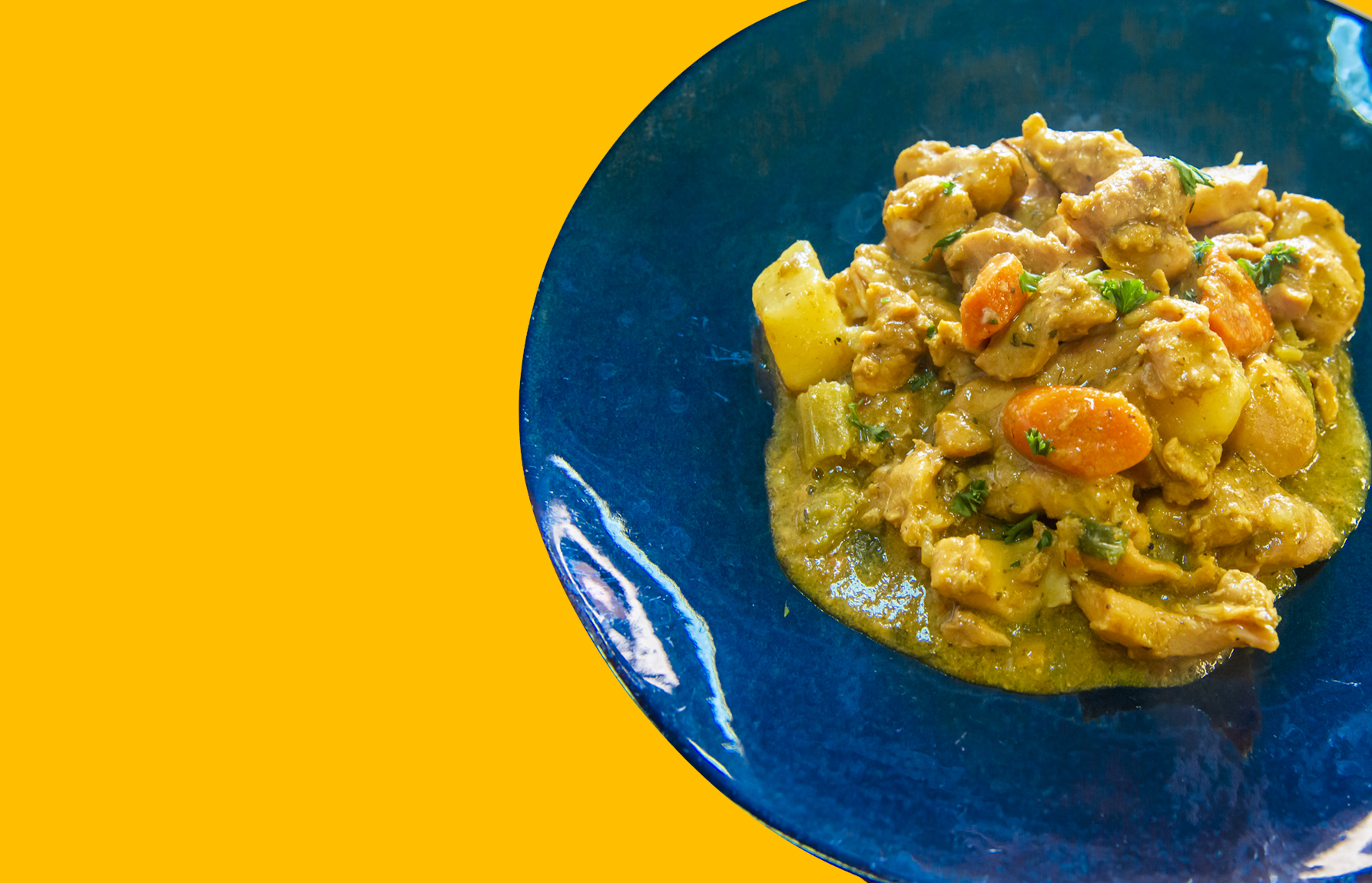
In the pot, brown the meat lightly after frying the curry paste. Then add water or stock and let it cook slowly until tender. Potatoes are common and useful, not just as filler but as flavor carriers. They absorb the sauce and help thicken it naturally. The finished curry should be deep yellow-gold to brownish gold, fragrant, and moderately thick, not soupy.
One small caution: too much curry powder can make the dish dusty and bitter. Use enough to coat the meat generously, but let thyme, onion, and pepper share the stage. If the curry tastes flat even after simmering, a pinch more salt usually does more good than another spoon of powder.
Callaloo, one of the great breakfast dishes
Visitors often meet callaloo at breakfast and underestimate it. That is a mistake. This leafy dish, usually made from amaranth greens, is one of the most elegant examples of Jamaican everyday cooking. It is quick, nourishing, and full of flavor without trying too hard. In places where true callaloo greens are hard to find, young spinach can stand in, though the texture is softer and the taste milder.
A classic preparation starts with sautéed onion, scallion, garlic, thyme, tomato, and Scotch bonnet, often with a little butter or oil. The chopped greens go in next, along with salt and black pepper. Some households add okra for extra body, while others fold in salted cod, also called saltfish, for a more substantial dish. Steam it just long enough for the greens to wilt and the flavors to meld. Overcooking turns it swampy.
The dish belongs naturally beside fried dumplings, boiled green banana, breadfruit, or roasted yam. With eggs, it becomes a strong breakfast. With rice, it can anchor lunch. What makes callaloo special is that it tastes both homey and precise. Every ingredient has a job. Nothing is wasted.
Jamaican beef patties, a lesson in seasoning and texture
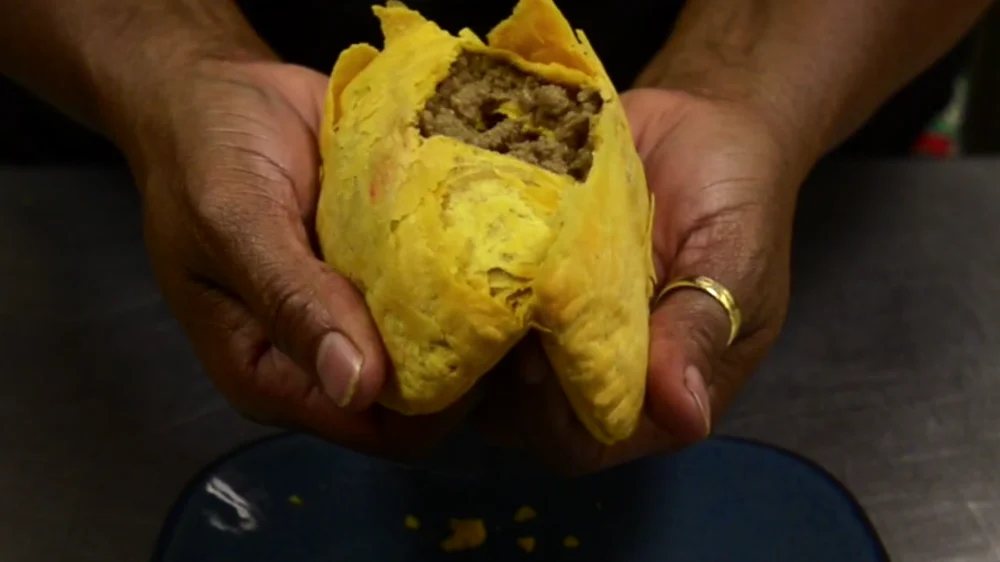
A proper Jamaican beef patty should feel portable, flaky, and deeply seasoned. The crust is often colored with turmeric or curry powder, giving it that familiar yellow hue. The filling is usually ground beef cooked with onion, scallion, garlic, thyme, Scotch bonnet, black pepper, paprika, and breadcrumbs or crushed crackers to hold moisture. The shape, a half-moon sealed at the edge, is part of its identity.
The crust is where many home cooks struggle. It needs tenderness, but also strength. Too much water makes it breadlike. Too much handling makes it tough. Use cold fat, cold water, and a light hand. Shortening gives the most traditional texture, though many cooks now use a mix of butter and shortening to improve flavor while keeping flake.
The filling should be moist but not wet. If it leaks, the crust steams and weakens. Cook the beef until browned, add the aromatics, and let the mixture cool before assembling. A little stock can be added during cooking, but reduce it well. The seasoning should be bold enough to stand up to pastry. Underseasoned patty filling tastes especially disappointing because the crust itself is fairly neutral.
Fresh from the oven, a good patty needs almost nothing. Wrapped in coco bread, it becomes a street-food classic with remarkable staying power. The mild sweetness of the bread softens the spices in the filling and turns a snack into a meal.
Ackee and saltfish, the national dish with a delicate touch
Ackee and saltfish deserves respect, not just because it is Jamaica’s national dish, but because it teaches discipline. Ackee is delicate. It can break if handled roughly, and when overcooked it loses the custardy texture that makes it so distinctive. Saltfish, usually salted cod, must be soaked and simmered enough to remove excess salt without stripping all flavor.
Once prepared, the dish comes together quickly. Sauté onion, scallion, tomato, thyme, garlic, and Scotch bonnet in oil. Add flaked saltfish and warm it through. Fold in the ackee carefully and heat just until tender and golden. Black pepper at the end sharpens everything. Some cooks add sweet pepper for color and sweetness. Others keep it leaner. Both styles have merit.
The finished dish should not be mushy or dry. It should taste lightly briny, aromatic, and buttery without needing much actual butter. Paired with roasted breadfruit, boiled dumplings, or fried plantain, it captures the generosity of a Jamaican breakfast table.
For cooks outside the Caribbean, canned ackee is the safest and most practical route. Buy from a reliable producer, drain gently, and keep your stirring minimal. This is not a dish that rewards aggression.
A few practical notes that improve almost every pot
There are certain habits that consistently make Jamaican food better in a home kitchen.
- Marinate longer than you think you need to. Even two extra hours can change the result.
- Taste before the rice goes in, before the stew reduces, and again at the end. The right correction depends on the stage.
- Use whole Scotch bonnet when you want aroma without too much heat, sliced pepper when you want the dish to bite back.
- Let browned meat actually brown. Deep color builds flavor that no bottled sauce can replace.
- Rest rice, fried items, and braises briefly before serving. Texture improves when the food settles.
These are not fussy restaurant tricks. They are small forms of patience, and Jamaican food responds well to patience.
The table matters as much as the recipe
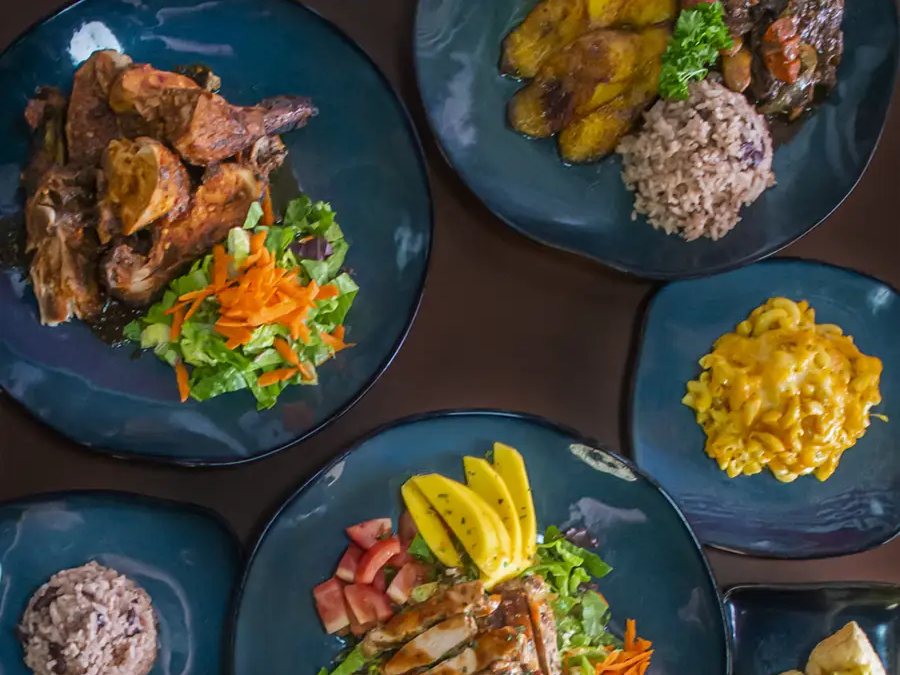
One reason Jamaican food travels so well is that it is generous by nature. These dishes invite company. A pan of jerk chicken, a big pot of rice and peas, escovitch fish bright with vegetables, callaloo on the side, maybe fried plantain or a tray of patties, this is food built for sharing. Even when the meal is simple, the table rarely feels mean.
That generosity also shows up in how recipes adapt. Every family has slight differences. One cook uses more thyme. Another swears by fresh pimento crushed by hand. Someone adds a little ketchup to stew, someone else would never. These are not flaws in the cuisine. They are signs of a living one.
If you are just starting to cook Jamaican food at home, begin with one or two core dishes and repeat them. Make rice and peas three times until the texture is second nature. Roast jerk chicken until you know how dark you like the exterior. Learn how much Scotch bonnet your household can handle happily. These are skills, not just recipes.
The best Jamaican food tastes assured. It knows what it is. Whether the dish is as famous as jerk or as humble as callaloo, the aim is the same: clear flavor, proper seasoning, good texture, and enough confidence to let the ingredients speak. That is island tradition at its most persuasive, and it is why these recipes remain worth cooking, sharing, and keeping close.
Reggae Pot Jamaican Grill
2243 S Monaco St Pkwy #104
Denver, CO 80222
+1 720-410-2956
FAQ About jamaican food
What is the best Jamaican food to try in Denver?
The best choice depends on your tastes. Popular options include jerk chicken, curry goat, slow-cooked oxtail, and savory patties. Reggae Pot lists these dishes on its menu, with sides such as rice and peas and plantains. Ask the Denver team about current availability and spice levels.
Is Jamaican food very spicy in Denver?
Heat varies by dish and preparation. Jerk seasoning often includes scotch bonnet peppers alongside herbs and allspice, while other dishes may have gentler seasoning. Ask about the heat of the specific dish and any sauce before ordering.
What are some popular Jamaican snacks?
Jamaican patties are a popular snack made with flaky pastry and savory meat or vegetable fillings. Other options include fried dumplings and festival, a sweet fried dough often served with savory dishes. Availability varies, so check the current menu when ordering.