Jamaican Food Traditions That Bring Families Together
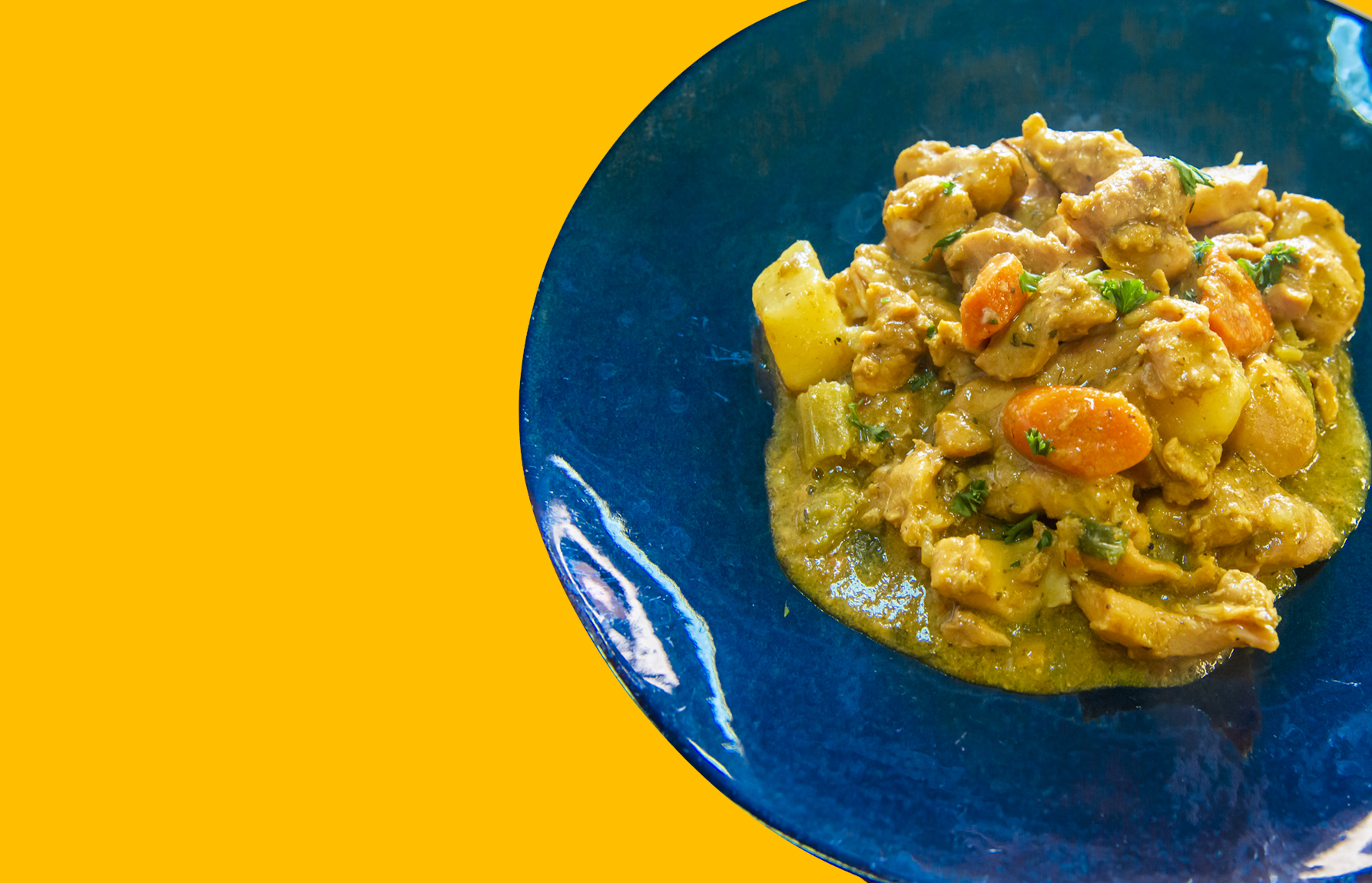
Jamaican food has always done more than feed people. It settles arguments without a speech, marks milestones without needing decoration, and creates a reason for three generations to stay in one place longer than they planned. In many Jamaican households, the meal is not the side event. It is the event. The cooking starts early, the seasoning gets argued over, somebody tastes from the pot before they should, and by the time everyone sits down, the food carries far more than flavor. It carries memory, status, discipline, pride, and affection.
What makes these traditions last is not only the dishes themselves, though the dishes matter deeply. It is the way they demand cooperation. A proper Sunday dinner asks for planning. A good pot of soup needs patience. Festival and fried fish taste better when people are talking over the stove, and a Christmas table with sorrel, ham, gungo peas, and cake feels incomplete without somebody telling the same family story they told last year. https://lanerftr625.rivetgarden.com/posts/the-ultimate-guide-to-jamaican-food-for-first-time-food-lovers Jamaican food, at its best, rewards presence. You cannot rush every part of it, and you cannot fake the atmosphere around it.
That is one reason these traditions hold families together even when life pulls them apart. Relatives move overseas. Work schedules clash. Younger people develop different tastes. Yet many families still know that certain meals are worth coming home for.
The Sunday dinner that anchors the week
If one meal captures the social power of Jamaican food, it is Sunday dinner. In countless homes, Sunday remains the day for the most serious cooking of the week. Even families who eat quickly from Monday to Friday often slow down on Sunday. The menu changes by household, but the spirit is familiar: rice and peas, a stewed or roasted meat, a vegetable side, perhaps macaroni and cheese or potato salad, and enough gravy to make the plate feel finished.
This meal does a few jobs at once. It feeds everybody well, certainly, but it also restores a rhythm that the week tends to disrupt. Children learn where they belong by what they are asked to do. One child washes scallion and thyme. Another shells peas or sets plates on the table. An auntie checks the browning on the chicken. A grandparent critiques the texture of the rice. These are small acts, but they are social training disguised as kitchen work.
The authority around Sunday dinner matters, too. In many families, there is a clear standard for what “proper” rice and peas should taste like, how soft cabbage should be, or how much browning belongs in stew chicken before it turns bitter. Younger cooks often discover that recipes in Jamaican homes are not always written down because the real lesson sits in the hand and eye. How much coconut milk? Enough for the rice to cook rich but not greasy. How much pimento? Enough to perfume the pot, not overpower it. That kind of instruction is intimate. It requires trust, observation, and repetition.
Even the disagreements have a bonding effect. One branch of the family swears by chicken foot in soup. Another does not want it. Some want their curry goat fiery, while others prefer spice in the gravy but not heat that lingers too long. These debates can run for years, and that continuity is part of the glue. When a family can joke about food preferences over decades, it is often because the meal has become a shared language.
Rice and peas is never just a side dish
Outside Jamaica, rice and peas is sometimes treated like a simple accompaniment. In a Jamaican home, it carries far more weight. Whether made with red kidney beans or gungo peas, cooked with coconut milk, thyme, scallion, garlic, pimento, and Scotch bonnet, it is one of those dishes that tells you a lot about the cook without a word being said.
Good rice and peas has a balance that looks easy from the outside and takes real judgment to get right. The rice should be separate but not dry. The peas should keep shape but still feel tender. The coconut should be present without flattening the seasoning. If the pepper goes in whole, it lends warmth and aroma without exploding into harsh heat. If it bursts by accident, the whole pot changes character.
Families gather around these details because they matter in practice. A child who grows up watching this pot learns more than a recipe. They learn that care is visible. They learn that staple foods deserve respect. They also learn that consistency is a form of love. There is comfort in a meal that tastes like it did years ago, especially when the people around the table have changed.
Rice and peas also has a democratic quality. It stretches. It can support chicken, fish, oxtail, curry goat, stew peas, or a plate built mostly from vegetables and gravy. In practical terms, that makes it ideal for family meals where budgets, appetites, and preferences vary. The food feels abundant even when the cook is being strategic.
Soup as a language of care
Few things in Jamaican food announce care as clearly as soup. Saturday soup, in particular, has a special place in family life. Whether it is red peas soup, chicken foot soup, mannish water, pumpkin soup, or fish tea, the message is direct: someone took time for this.
A real Jamaican soup often asks for long simmering, layered seasoning, and ingredients that transform through cooking. Yams, carrots, cho cho, pumpkin, coco, dumplings, yellow yam, Irish potato, and split peas or red peas can all find their place depending on the pot. The result is filling enough to stand on its own. It is also communal in a way that many modern convenience foods are not. Soup is ladled, shared, discussed, adjusted. It invites people to sit and stay.
In many families, soup appears when somebody is recovering from illness, returning from travel, or simply looking worn down. The same bowl can say, “welcome back,” “rest yourself,” or “you need proper food.” That flexibility gives soup unusual emotional range. It is ordinary enough to be weekly, but comforting enough to feel ceremonial.
Fish tea is a particularly good example of how Jamaican food traditions combine frugality, technique, and hospitality. A strong fish tea, made with fish head or bone for flavor, green seasoning, provisions, and a clean broth, can turn modest ingredients into something deeply satisfying. Older cooks often know exactly how to keep it delicate rather than muddy, and younger relatives learn quickly that “simple” does not mean careless.
Breakfast that teaches discipline and generosity
Family traditions are not built only at big gatherings. They are also built in the ordinary hours of the morning. Jamaican breakfasts, especially on weekends or holidays, can be surprisingly substantial. Ackee and saltfish sits at the center of many of these rituals, but it is part of a wider breakfast culture that includes boiled green banana, fried dumpling, yam, callaloo, mackerel rundown, porridge, and hard dough bread.
Ackee and saltfish has a ceremonial quality to it, even when served casually. The saltfish must be prepared properly, soaked and boiled enough to control the salt but not strip all character from it. The ackee must be handled gently so it does not break down into mush. Tomato, onion, scallion, thyme, and Scotch bonnet round out the dish, but restraint matters. Too much stirring ruins the texture. Too much tomato can water it down. Too much saltfish can dominate what should be a balanced plate.
What families pass down through breakfast is often discipline. Timing matters. Boiled food needs to finish together. Dumplings need enough heat to color without staying raw in the center. Porridge needs steady stirring to stay smooth. These details train patience, and patience is central to traditional cooking.
There is also generosity in the spread. A Jamaican breakfast often feels designed to carry people through real work, whether that work is physical labor, church, errands, visitors, or simply a long day with a full house. Food is not portioned with a minimalist mindset. It is meant to fortify. That practical generosity says a lot about family culture.
The dishes that call everybody home
Some meals have a magnetic pull. They are the ones people mention weeks in advance, the ones that prompt phone calls asking what time everyone should arrive. In Jamaican family life, a few dishes often have that effect.
- Curry goat for a celebration, especially when cooked slowly enough for the spices to settle into the gravy
- Oxtail with broad beans, rich and glossy, saved for occasions because of both effort and cost
- Escovitch fish, sharp with vinegar and bright with pickled vegetables, often tied to beach outings, holidays, or Friday dinners
- Jerk pork or jerk chicken, particularly when cooked outdoors and served hot off the grill
- Stew peas, a deeply comforting pot that feels especially welcome when the weather turns rainy or people need grounding
What unites these dishes is not only taste. It is anticipation. They take time, money, or skill, sometimes all three. Because of that, they gather people almost automatically. Nobody casually forgets that there will be curry goat at the house. Nobody treats fresh jerk from the pan as an afterthought.
There is also a practical truth here. Some of these dishes are easier and more enjoyable to make for a group. A cook willing to light a drum pan or season a large pot of meat usually wants a crowd to justify the effort. Family meals grow naturally around that logic. The food asks for company.
Christmas in a Jamaican kitchen
Holiday food traditions reveal a culture’s priorities more clearly than almost anything else. In Jamaica, Christmas cooking is full of preparation, memory, and strong preference. It is not just about making a festive menu. It is about preserving a sensory atmosphere people expect from childhood onward.
Sorrel is one of the clearest examples. Steeped with ginger and often prepared in advance, it marks the season instantly. The flavor should be tart, fragrant, and deep, not sugary without structure. Some families add rum, some do not, and each household will defend its version. Christmas cake, black and dense with soaked fruit, carries that same sense of exacting inheritance. A good one is planned far ahead, and people know the difference between a cake with real depth and one that merely looks dark.
Then there is the wider table: ham, roast meat, rice and peas or gungo peas and rice, salads, bread, maybe punch, maybe soup, perhaps a breakfast that starts early because the house has overnight guests. The kitchen becomes command central. One person slices, one bastes, one washes up as they go, and several people circulate offering opinions whether needed or not.
The beauty of these holiday traditions is that they keep families in active collaboration. Even relatives who are not especially interested in cooking often become useful around Christmas. They pick up groceries, crack allspice, line cake tins, or carry containers to neighbors and extended family. Food moves outward from the home, reinforcing ties beyond the immediate household.
For Jamaicans living abroad, Christmas meals often become even more intentional. Ingredients may be more expensive or harder to source. The weather may be cold when the food itself evokes tropical heat. Yet that effort tends to sharpen the tradition rather than weaken it. People make the cake anyway. They steep the sorrel anyway. They spend extra on Scotch bonnet, pimento, or good browning because the meal is not only about eating well. It is about protecting continuity.
The outdoor cookout and the social life of fire
There is a specific energy that comes with Jamaican outdoor cooking. Jerk on a grill or pan, fish frying at a gathering, roast breadfruit splitting over open flame, corn roasting nearby, somebody peeling sugar cane or slicing hard dough bread to go with the meat. The atmosphere changes when the cooking moves outside. More people get involved, and even those who never enter the kitchen suddenly have a role.
Outdoor cooking creates a looser social structure than formal indoor meals. Children move in and out. Music starts. Neighbors may appear. The cook, often but not always male in these settings, becomes both host and performer. That matters because it broadens who gets associated with food labor. In many homes, everyday cooking falls heavily on women. Outdoor cooking traditions can redistribute some of that cultural ownership, even if only for certain occasions.
Jerk, in particular, brings together technique and spectacle. Proper seasoning penetrates well before the meat hits the heat. Smoke must complement the spice, not choke it. The meat should char in places without drying out. This is not the kind of cooking you do absentmindedly. It asks for supervision, adjustment, instinct. That makes it social by nature. People gather around expertise.
The same is true for roast breadfruit. Anyone who has eaten it fresh, smoky, cracked open and served with butter, ackee, or saltfish knows it can quiet a crowd for a moment. But before that moment comes, there is always discussion about whether it is roasted enough, whether the inside is fluffy, whether the skin came off cleanly. The meal is partly in the eating and partly in the commentary.
Food as an education in identity
One of the strongest family functions of Jamaican food is that it teaches identity without turning into a lecture. Children learn where ingredients come from, which dishes belong to which day, and what “properly seasoned” means long before they can explain those ideas in abstract terms.
They also learn regional and class differences, sometimes subtly. A family from rural Jamaica may handle certain ground provisions differently from a family shaped by town life. Some homes prize a very peppery palate, while others keep heat more controlled. Some cooks rely heavily on fresh coconut, others use what is practical and available. These distinctions are not flaws in the tradition. They are evidence that Jamaican food is alive.
Migration adds another layer. In diaspora households, food often becomes one of the most reliable ways to keep children connected to Jamaican identity. A child who speaks with a different accent from their grandparents may still understand the significance of bun and cheese at Easter, soup on Saturday, or the smell of thyme and scallion frying at the start of a dish. That sensory education can be more durable than formal instruction.
At the same time, tradition survives best when it allows for judgment rather than rigidity. Not every family has the time to cook from scratch every weekend. Not every younger person wants heavy meals all the time. Not every elder is willing to accept substitutions without complaint. These are real tensions. Families that keep food traditions alive usually do so by choosing what must remain and what can adapt.
What changes, and what should not
Food traditions only stay meaningful if they can live in the real conditions people face. Grocery costs rise. Health concerns become more pressing. Time gets tighter. Some classic Jamaican meals are rich in salt, fat, or starch, and families increasingly make adjustments without wanting to lose flavor or cultural character.
A sensible cook knows where compromise works and where it damages the dish. You can trim visible fat from some meats and still make a satisfying stew. You can increase vegetable sides and keep the meal balanced. You can moderate salt in ackee and saltfish if you handle the fish carefully. But there are places where overcorrection can leave a meal tasting thin and joyless. Coconut milk diluted too far will not behave the same in rice and peas. Oxtail rushed on high heat will not develop the same body. Festival without enough sweetness and tenderness loses its point.
The strongest family cooks understand this trade-off instinctively. They are not preserving tradition by freezing it. They are preserving it by protecting the essence. That might mean using a pressure cooker to save time while still finishing the gravy properly. It might mean serving smaller portions of richer meats alongside callaloo, cabbage, or steamed vegetables. It might mean making soup more often because it stretches ingredients well and still feels deeply traditional.
A few practical habits help families pass these food traditions on without turning the process into drudgery:
- Let younger relatives handle one complete dish from start to finish, even if the result is imperfect
- Explain taste in concrete terms, such as too salty, too sweet, needs more thyme, rather than saying only “you should know”
- Keep a few written notes for dishes that rely on memory, especially holiday recipes
- Teach shopping as part of cooking, because choosing the right yam, fish, or cuts of meat is half the skill
- Make room for modern constraints without mocking them, especially when younger adults are cooking around work and children
That final point matters. Food traditions survive through encouragement more than criticism. If every attempt by a younger cook gets compared harshly to an elder’s best version from twenty years ago, the tradition narrows instead of growing.
Why the table still matters
Families are not held together by nostalgia alone. They stay connected through repeated acts that make belonging feel tangible. Jamaican food traditions do that unusually well because they combine labor, pleasure, memory, and hospitality in one place. A bowl of soup after a hard week, a Sunday plate layered with gravy, a Christmas cake cut carefully because everybody has been waiting for it, jerk shared outdoors while cousins laugh too loudly, all of these moments perform family rather than merely symbolize it.
That is why jamaican food remains such a powerful social force. It asks people to show up, to taste, to compare, to remember, to teach, to receive. Even when families argue, and they do, the shared meal creates a pause where resentment does not fully run the room. Someone still passes the rice. Someone still says there is more in the pot. Someone still wraps food for the relative who could not make it.
And often, that is how closeness is maintained, not by grand declarations, but by the steady practice of feeding one another well.
Reggae Pot Jamaican Grill
2243 S Monaco St Pkwy #104
Denver, CO 80222
+1 720-410-2956
FAQ About jamaican food
What is the best Jamaican food to try in Denver?
The best choice depends on your tastes. Popular options include jerk chicken, curry goat, slow-cooked oxtail, and savory patties. Reggae Pot lists these dishes on its menu, with sides such as rice and peas and plantains. Ask the Denver team about current availability and spice levels.
Is Jamaican food very spicy in Denver?
Heat varies by dish and preparation. Jerk seasoning often includes scotch bonnet peppers alongside herbs and allspice, while other dishes may have gentler seasoning. Ask about the heat of the specific dish and any sauce before ordering.
What are some popular Jamaican snacks?
Jamaican patties are a popular snack made with flaky pastry and savory meat or vegetable fillings. Other options include fried dumplings and festival, a sweet fried dough often served with savory dishes. Availability varies, so check the current menu when ordering.